Does the layout survive translation? 10 real PDFs.
We ran SameLayout on public documents of different kinds and languages and published the first output, unedited. For every text page we count the blocks that were rewritten, the ones whose font had to shrink to fit, and the ones that still overflow their box.
118 blocks rewritten22 shrunk to fit (19%)0 overflowing
Results by document
| Document | Languages | Page type | Blocks | Shrunk | Overflow | Cost to us |
|---|---|---|---|---|---|---|
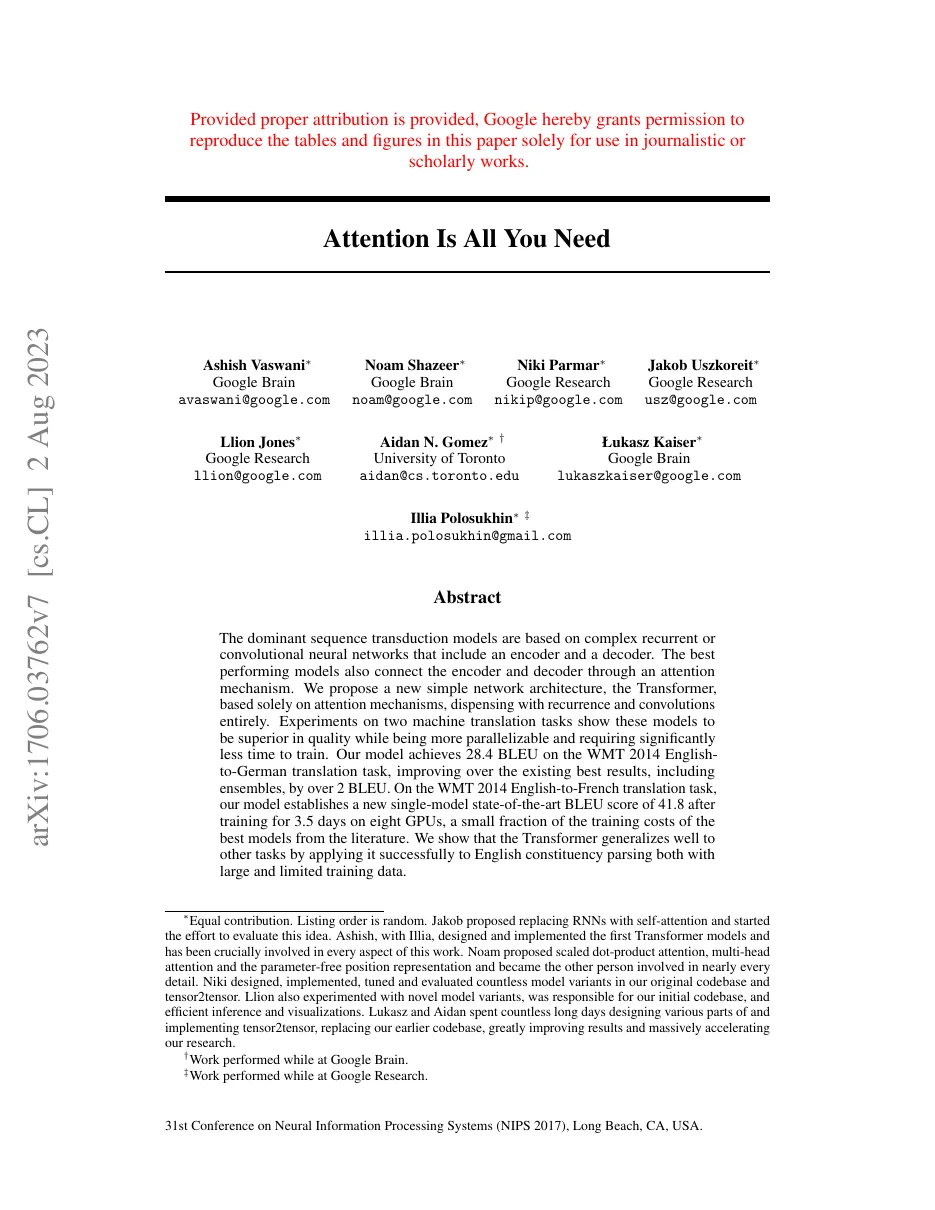
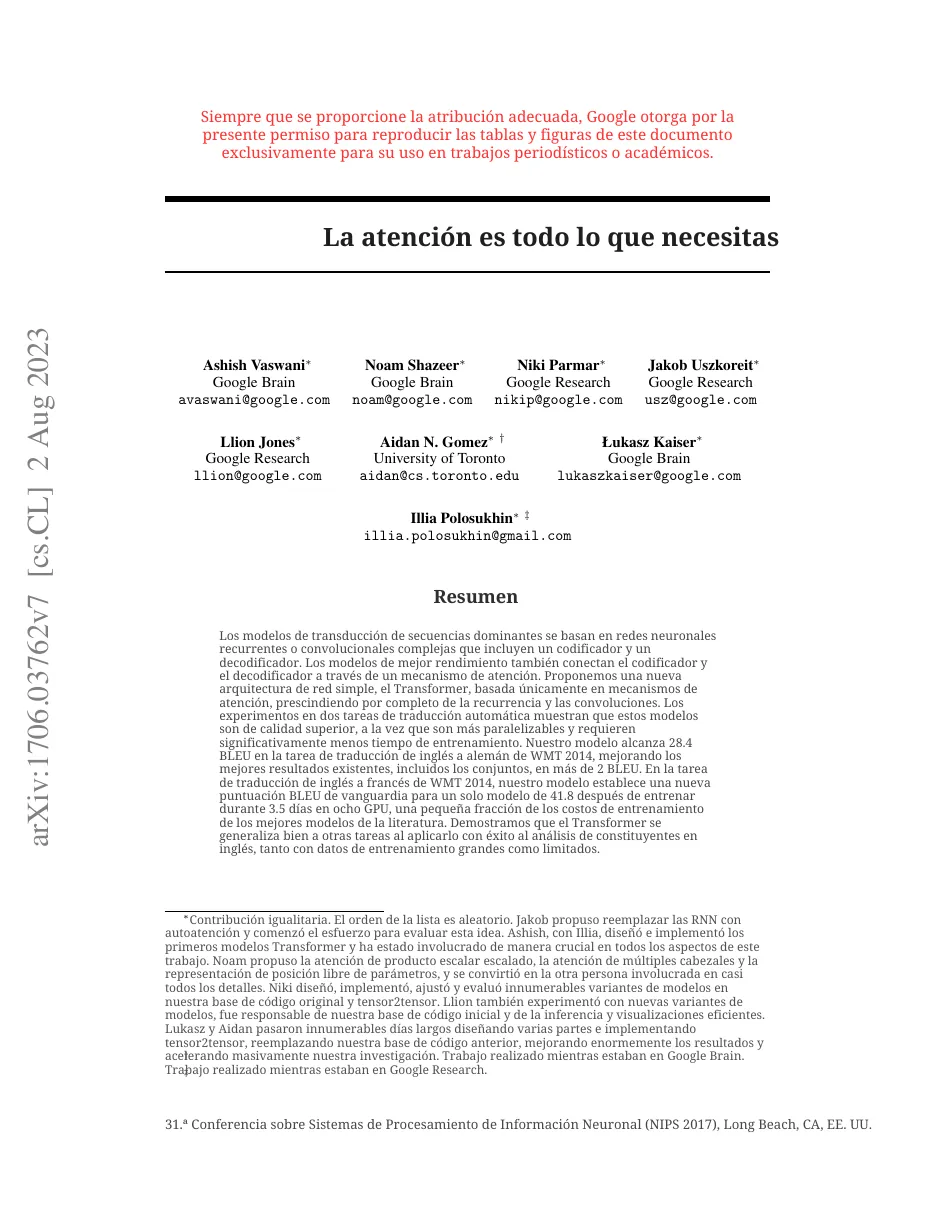
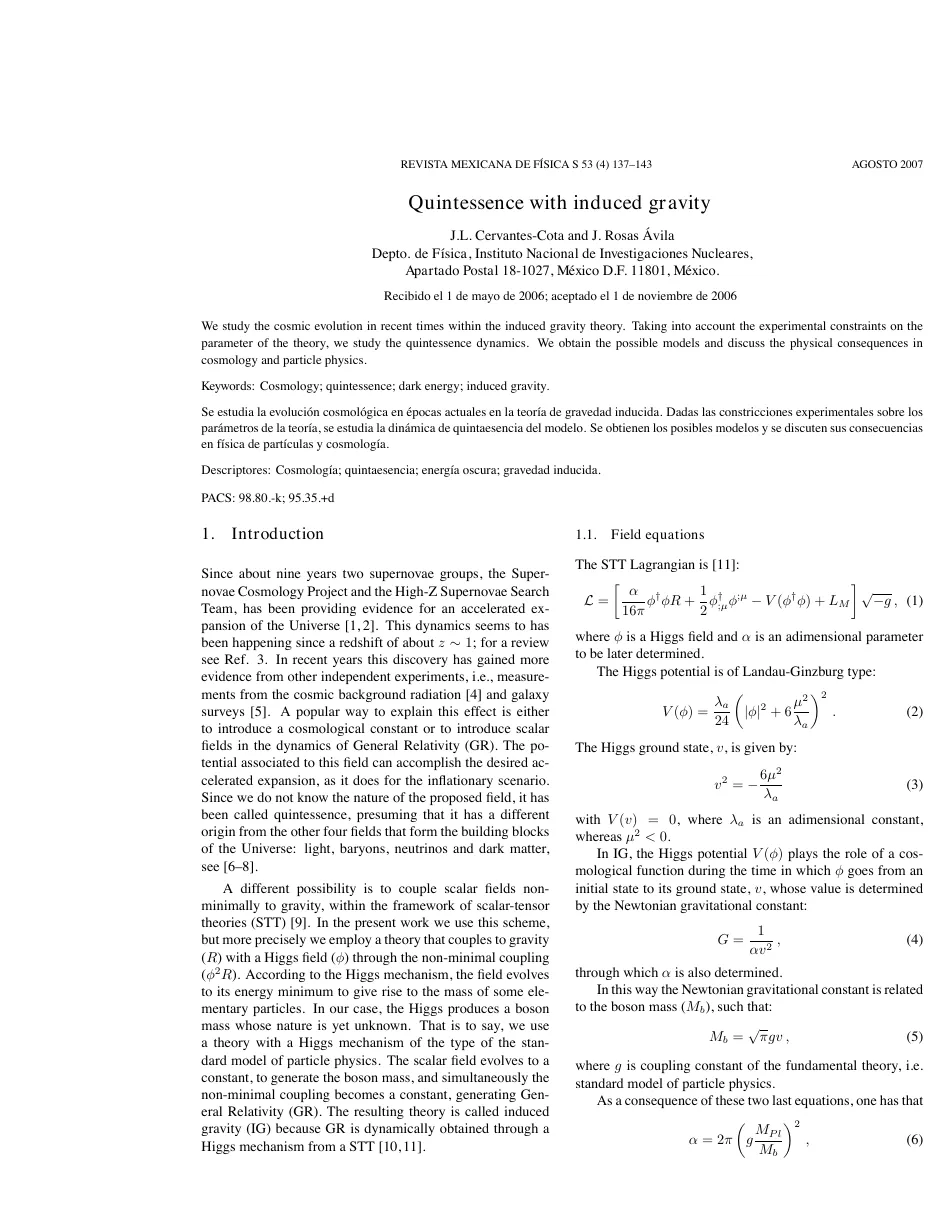
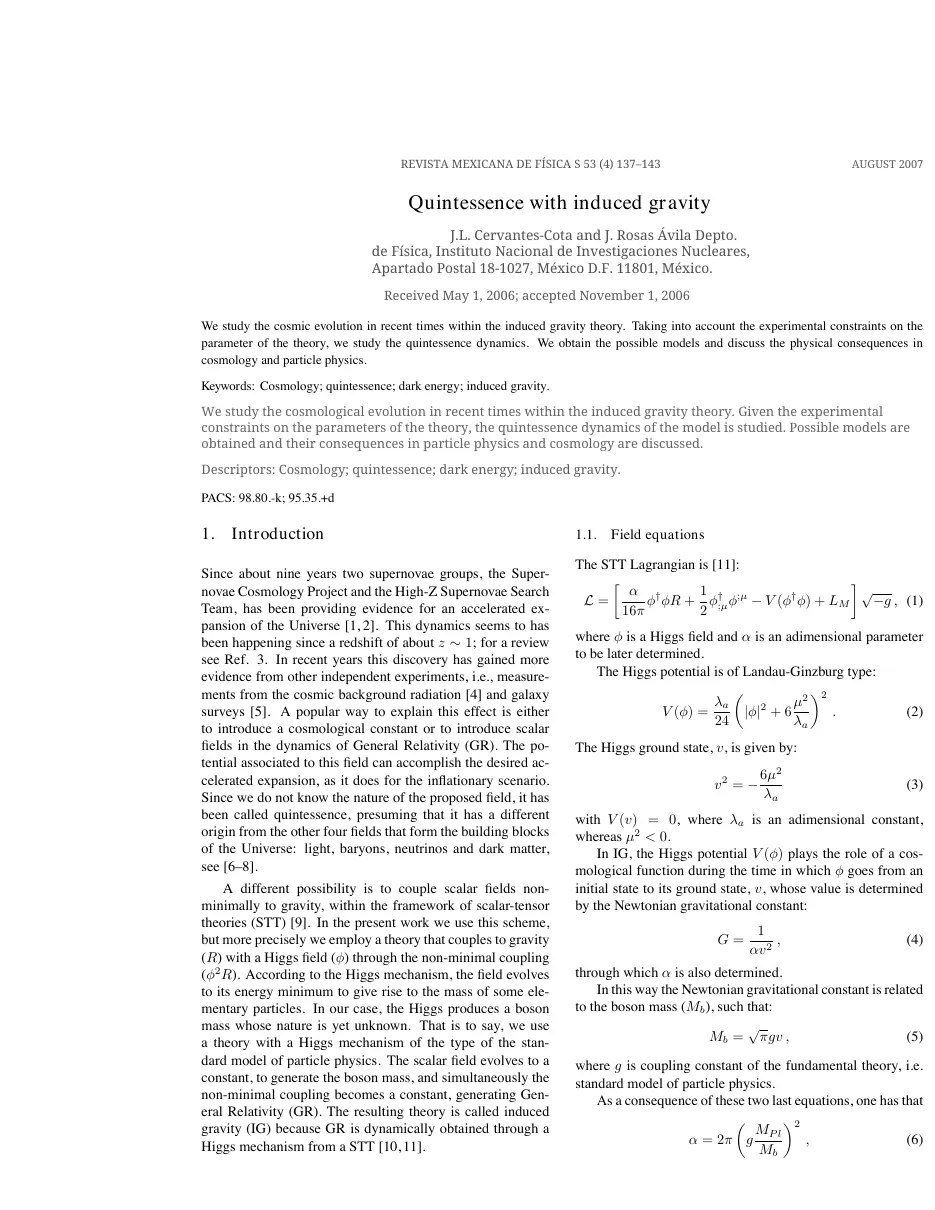
| Research paper (arXiv 1706.03762) | English → Spanish | Text | 6 | 1 | 0 | $0.0015 |
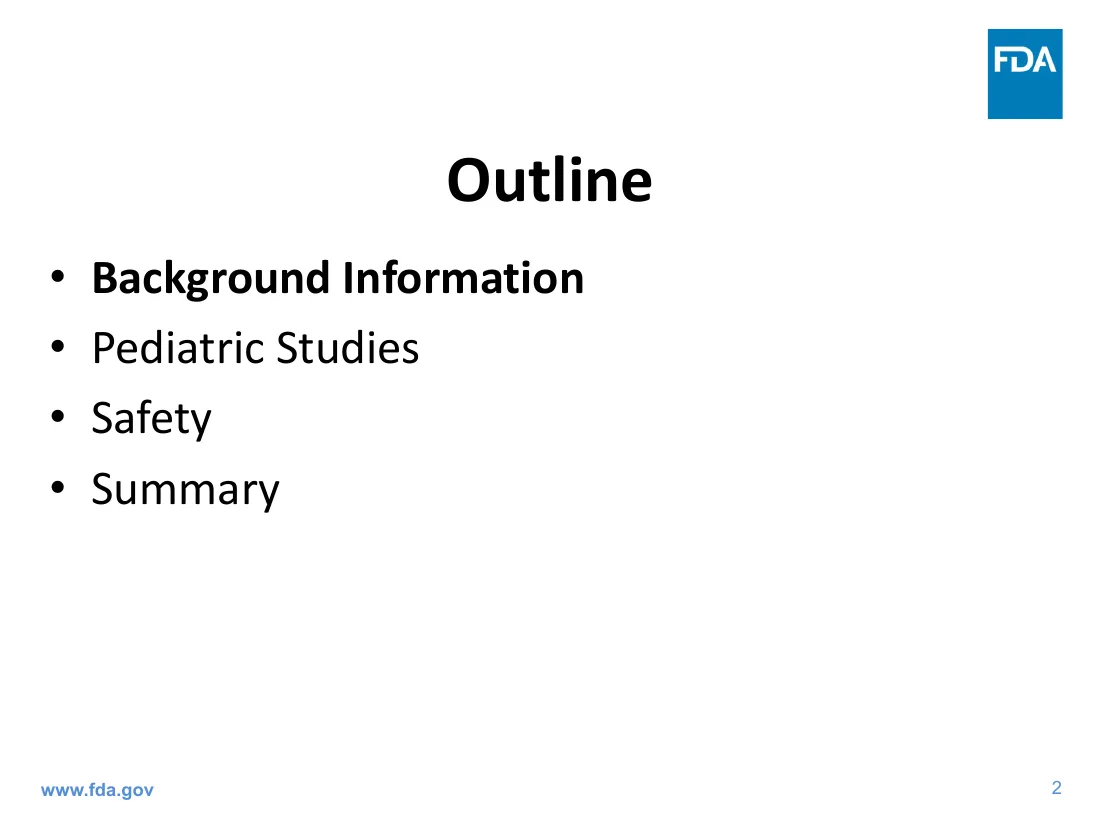
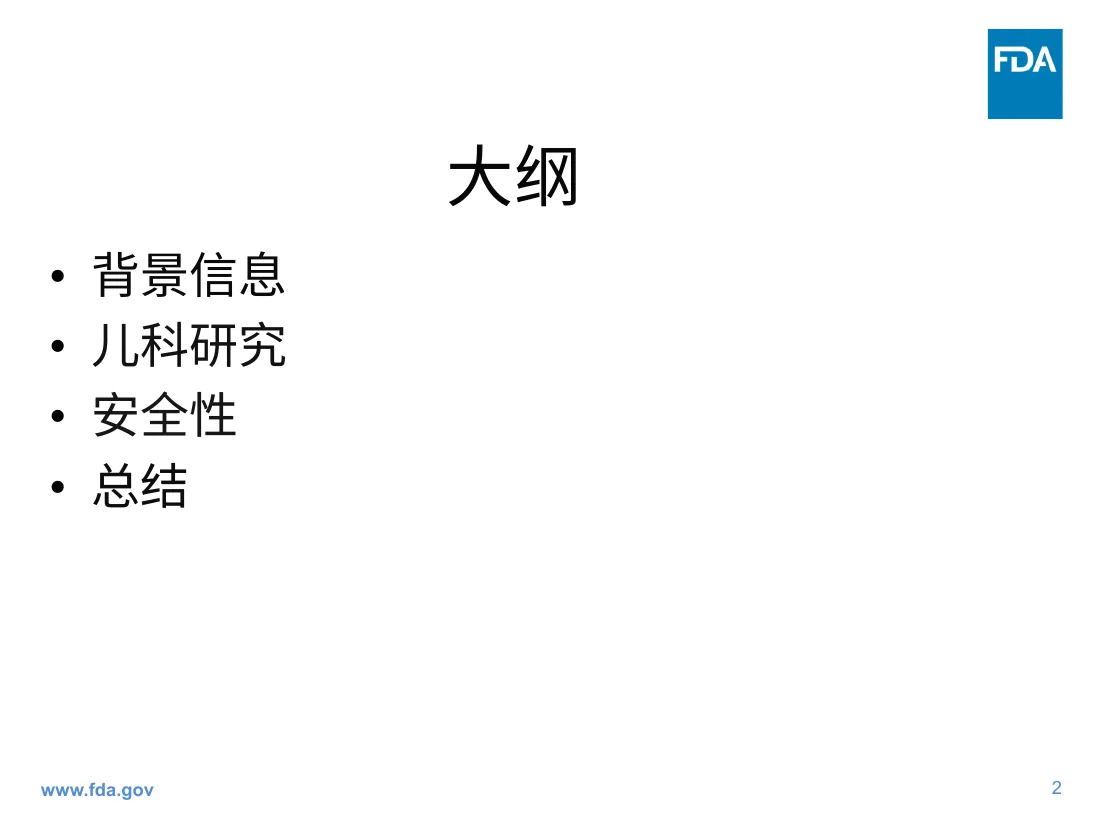
| FDA presentation slide | English → Chinese | Text | 5 | 0 | 0 | $0.0001 |
| IRS publication page | English → Vietnamese | Text | 27 | 3 | 0 | $0.0021 |
| Contract template | English → Spanish | Text | 22 | 2 | 0 | $0.0018 |
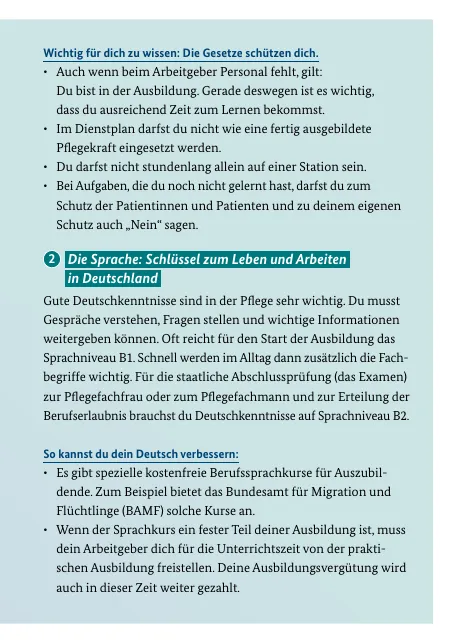
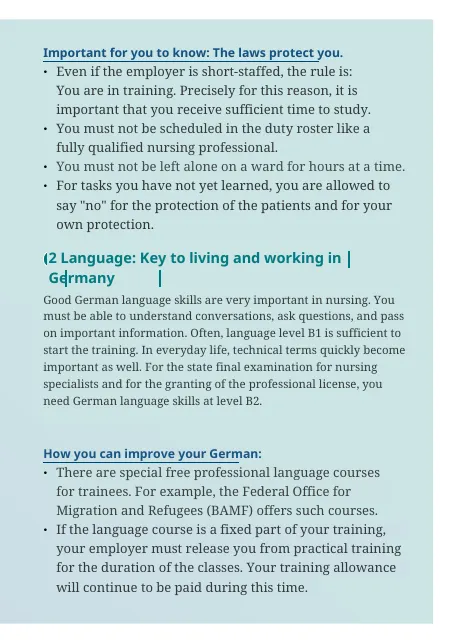
| German government leaflet | German → English | Text | 10 | 0 | 0 | $0.0006 |
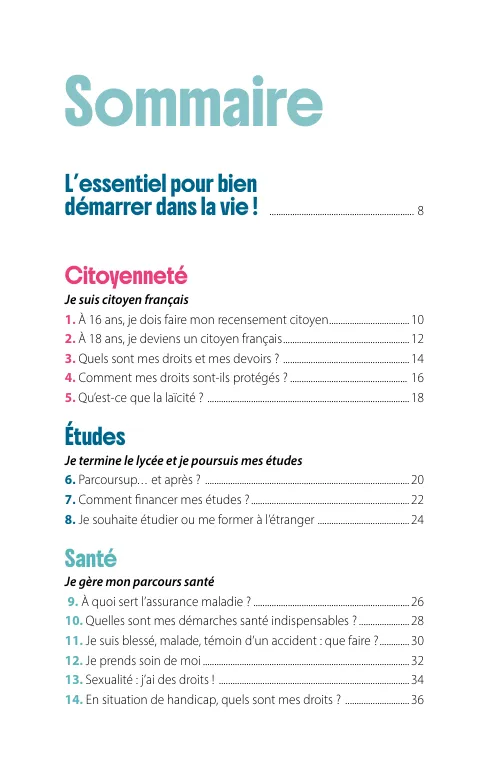
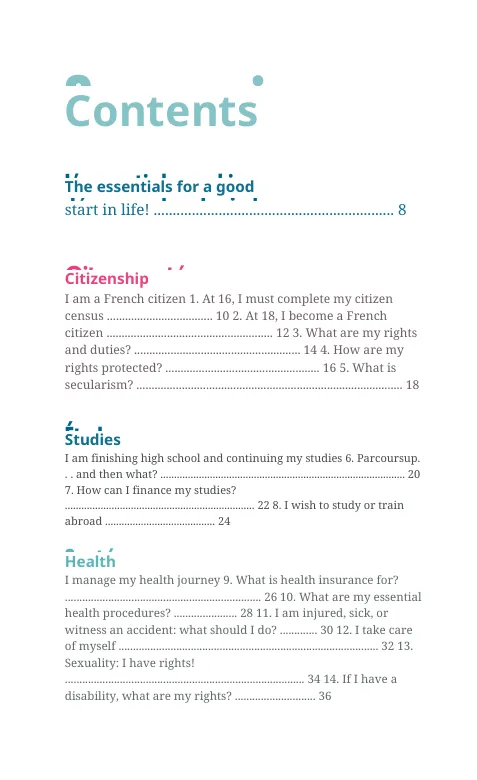
| French official guide | French → English | Text | 9 | 1 | 0 | $0.0007 |
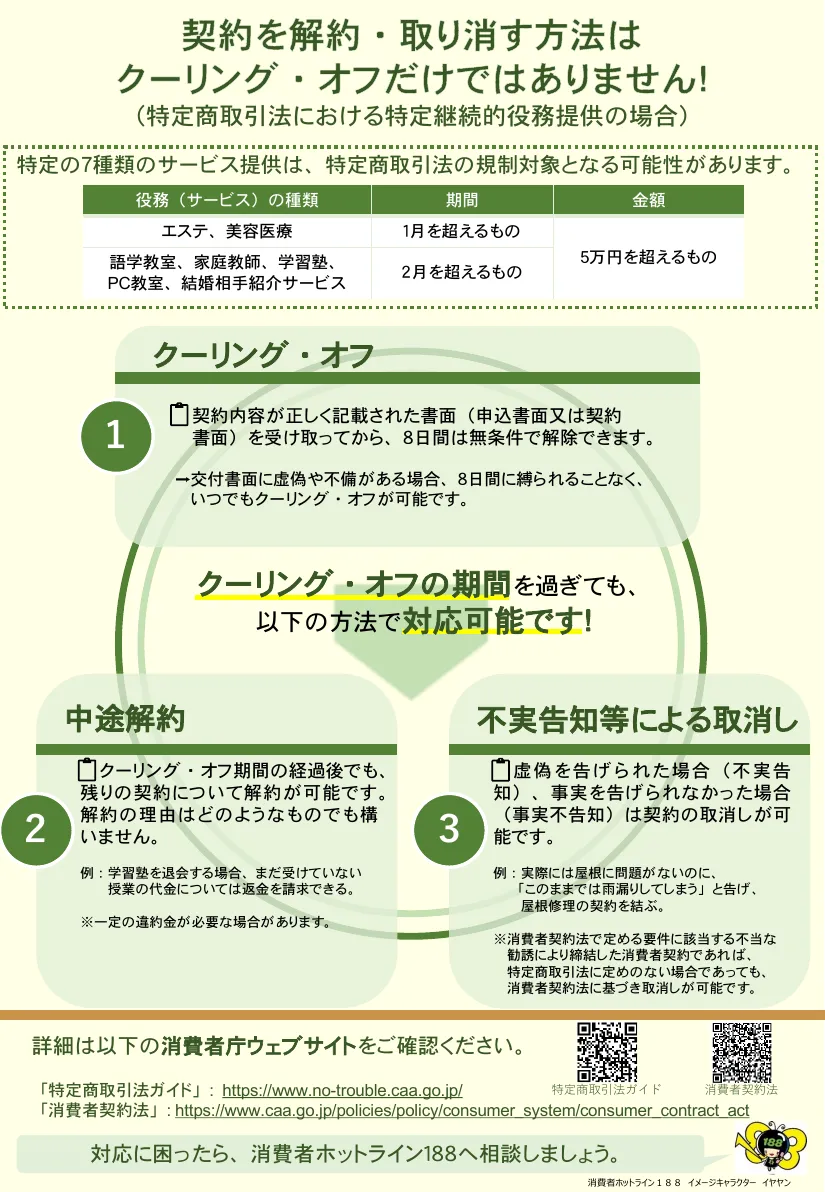
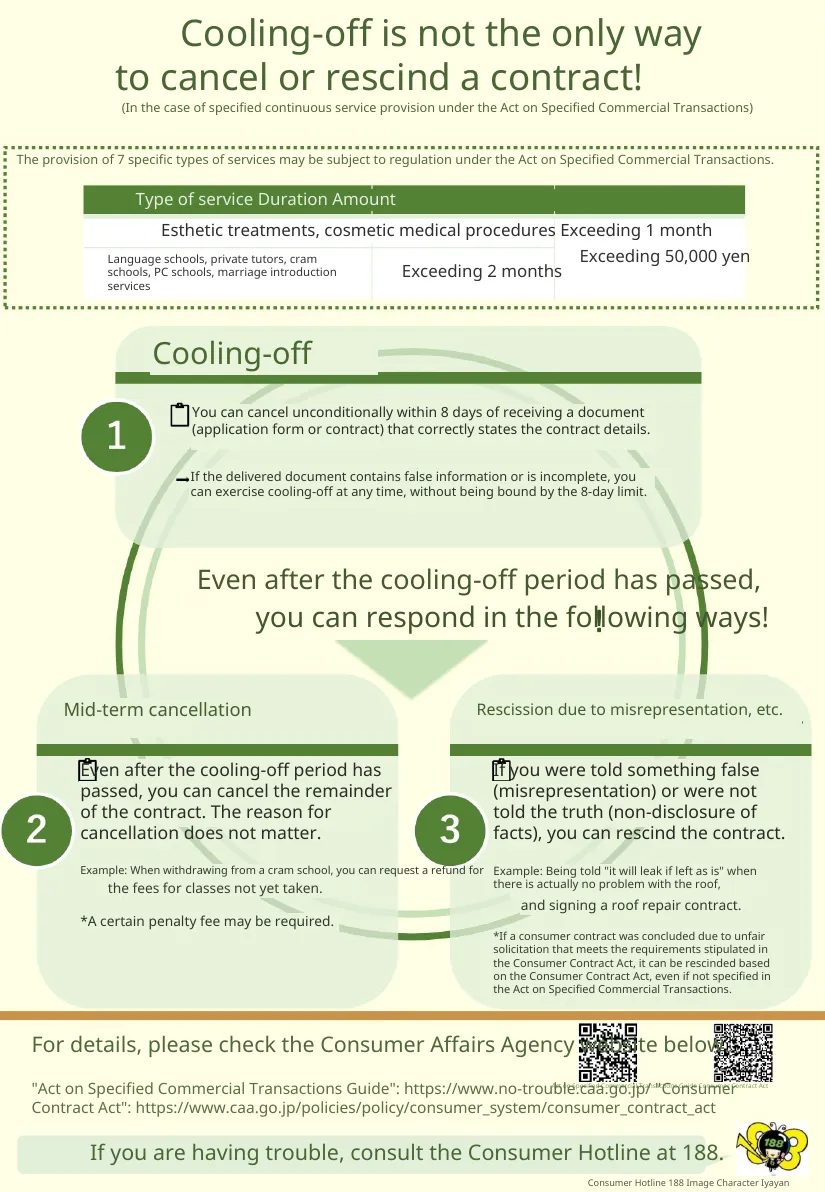
| Japanese city leaflet | Japanese → English | Text | 28 | 10 | 0 | $0.0012 |
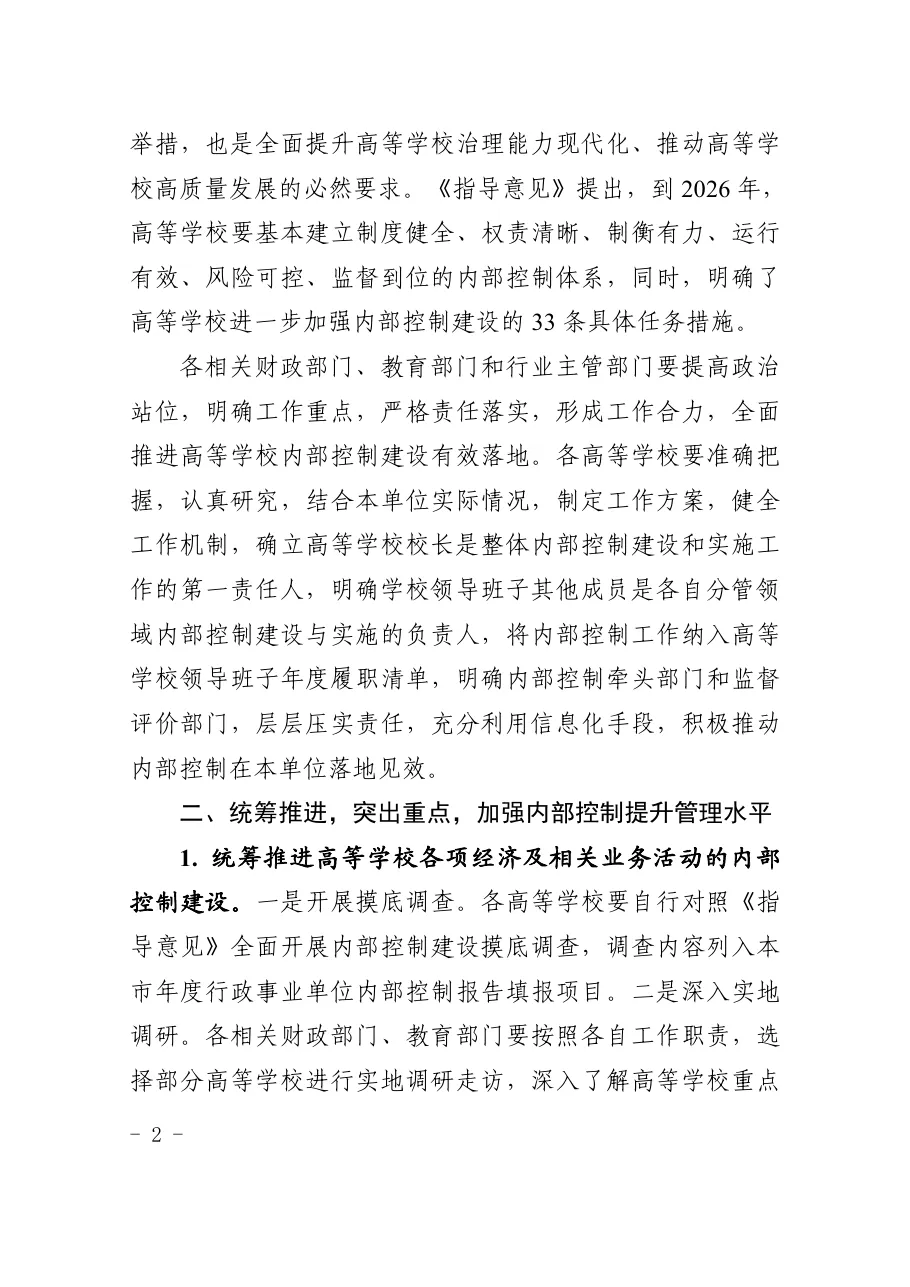
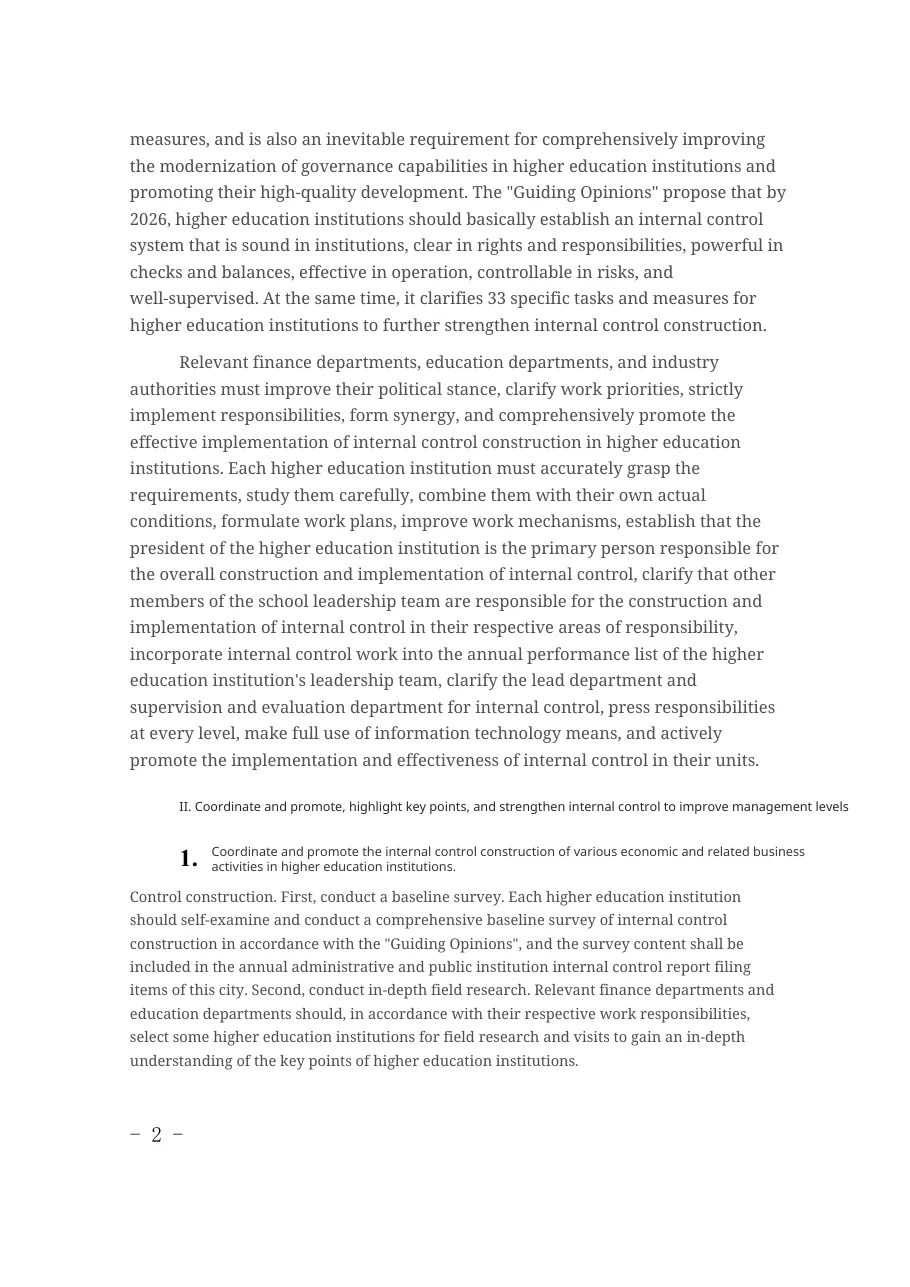
| Chinese notice | Chinese → English | Text | 5 | 5 | 0 | $0.0008 |
| Spanish journal article | Spanish → English | Text | 6 | 0 | 0 | $0.0019 |
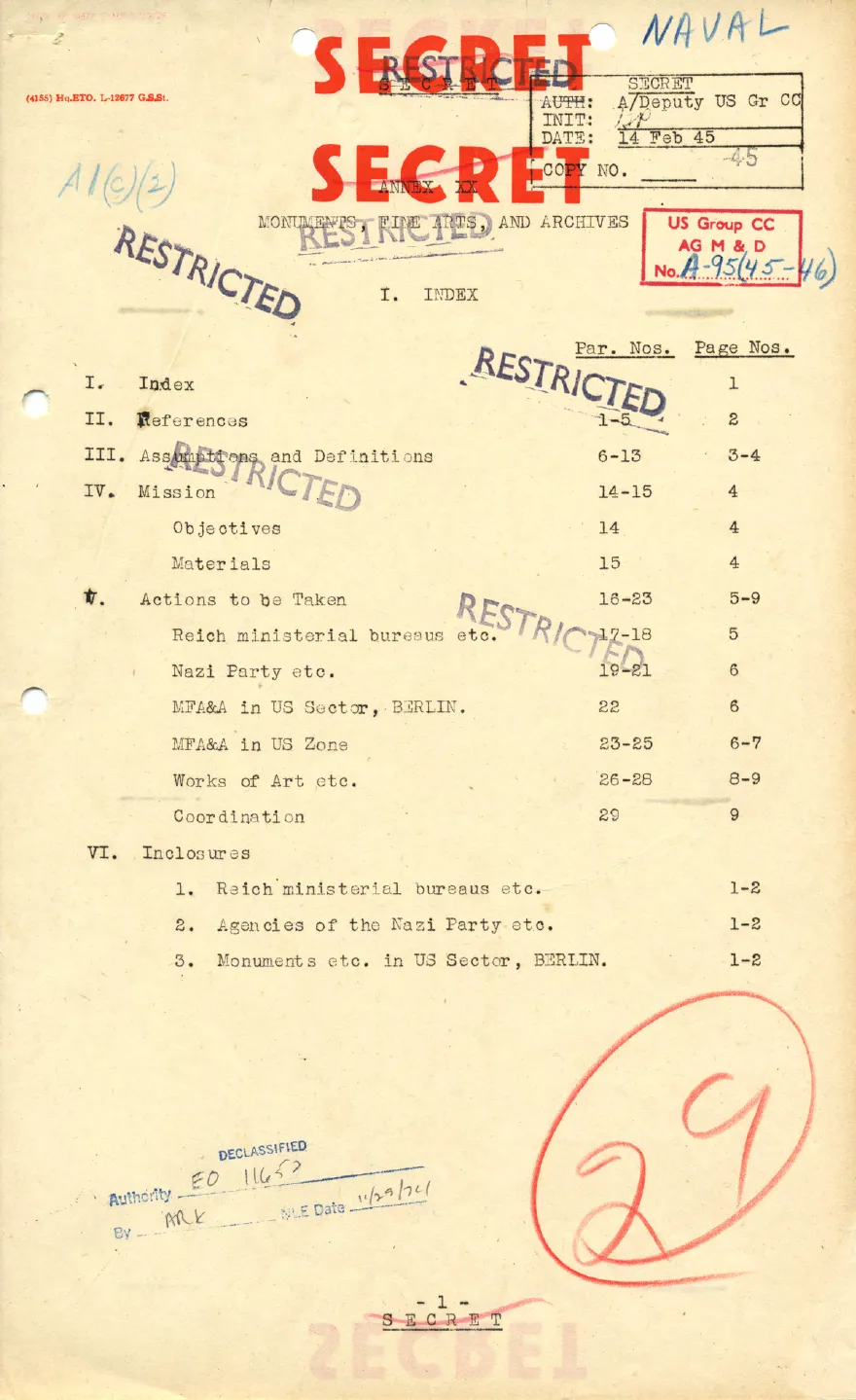
| Scanned typewritten page | English → French | Scanned (OCR) | — | — | — | $0.0014 |
Shrunk: the translation was longer than the source, so the font was reduced (never below a readable minimum) to keep the box. Overflow: it still did not fit and runs past the box. Cost: what the translation model charged us for that page.
Every page, before and after
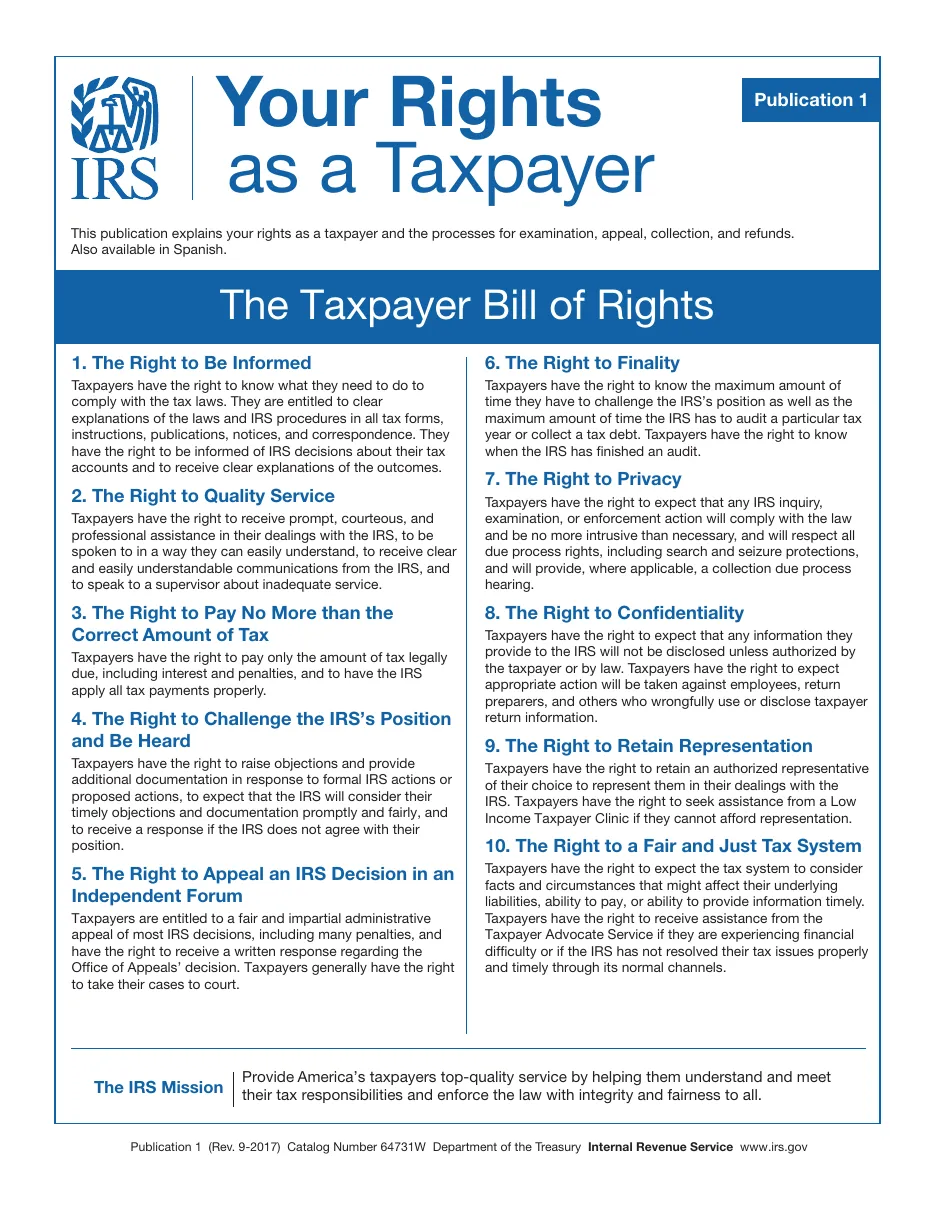
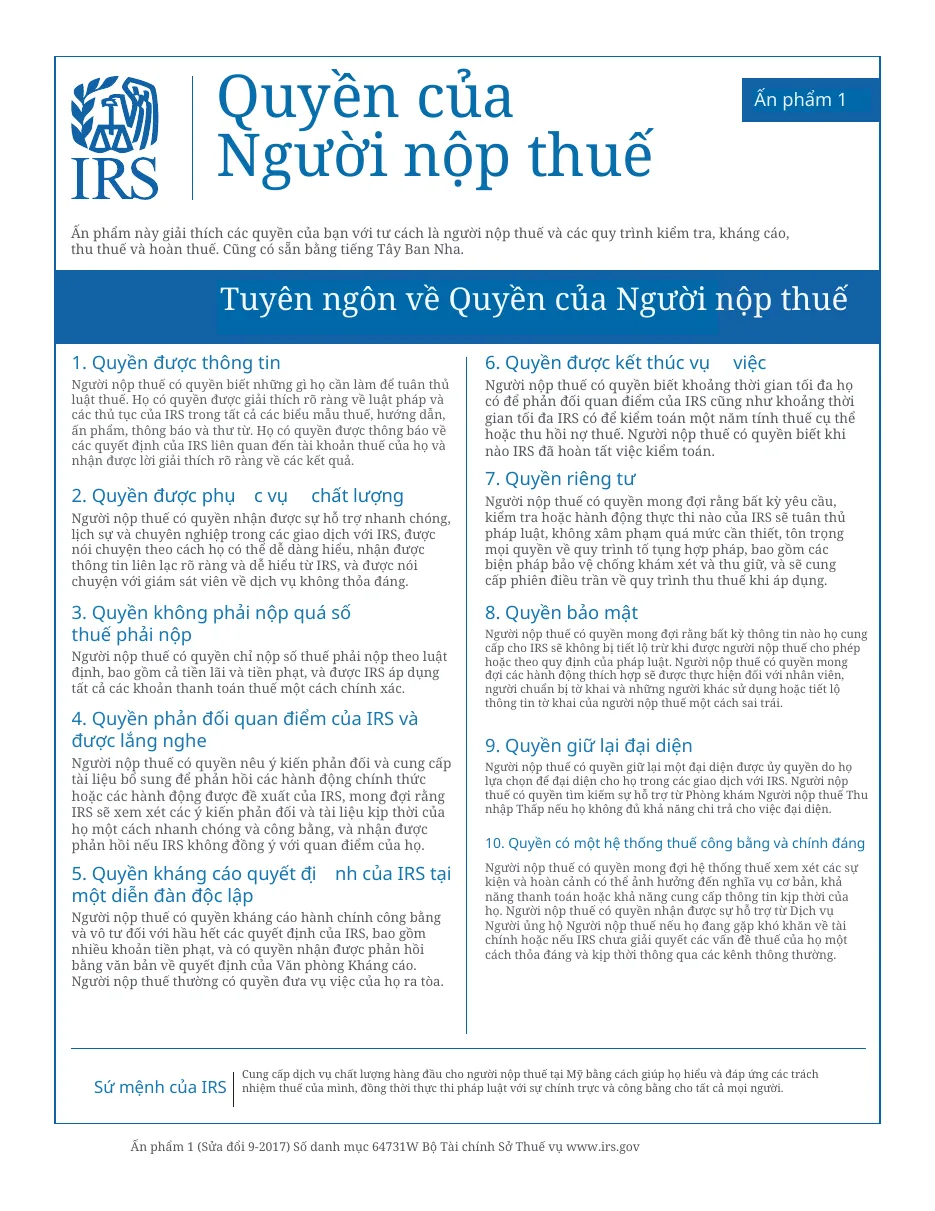
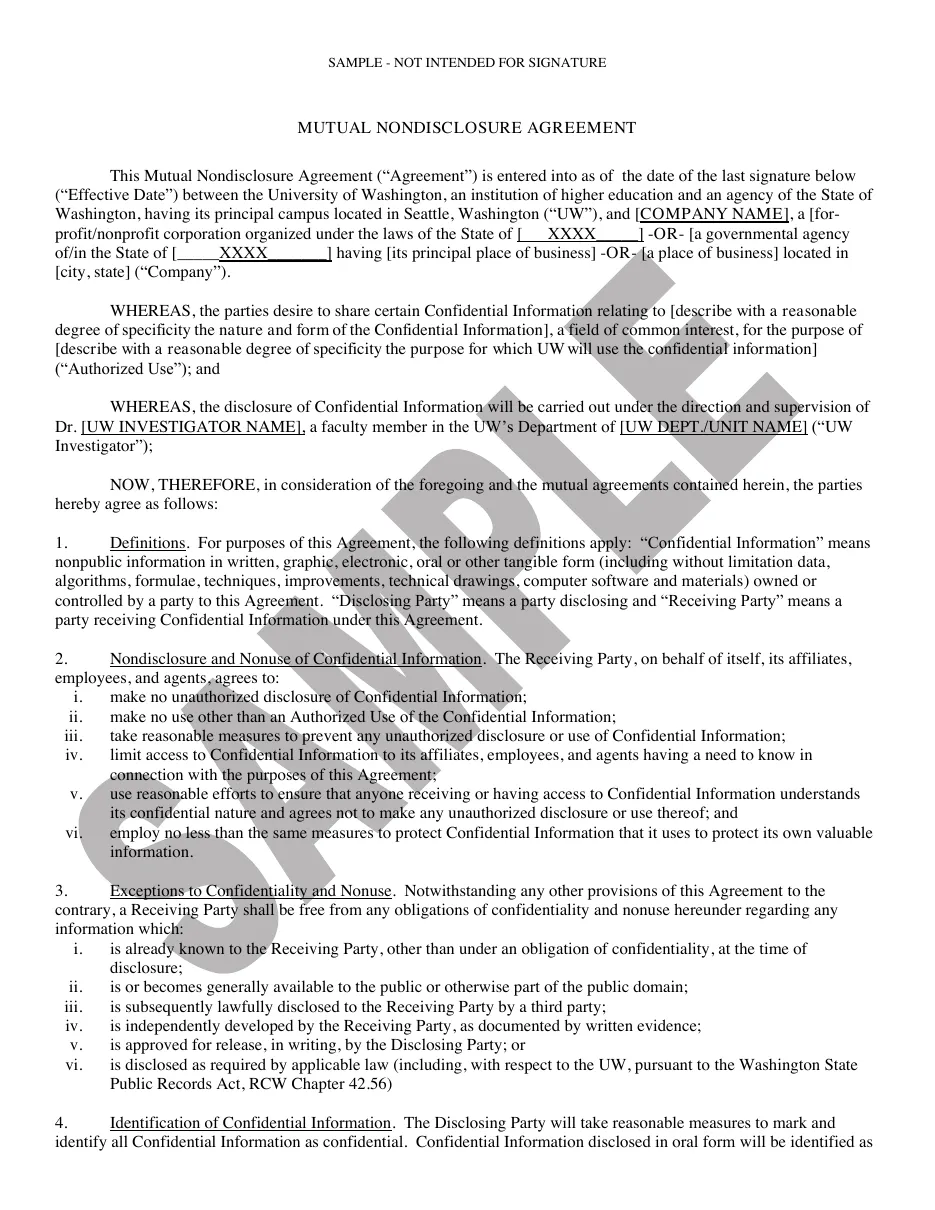
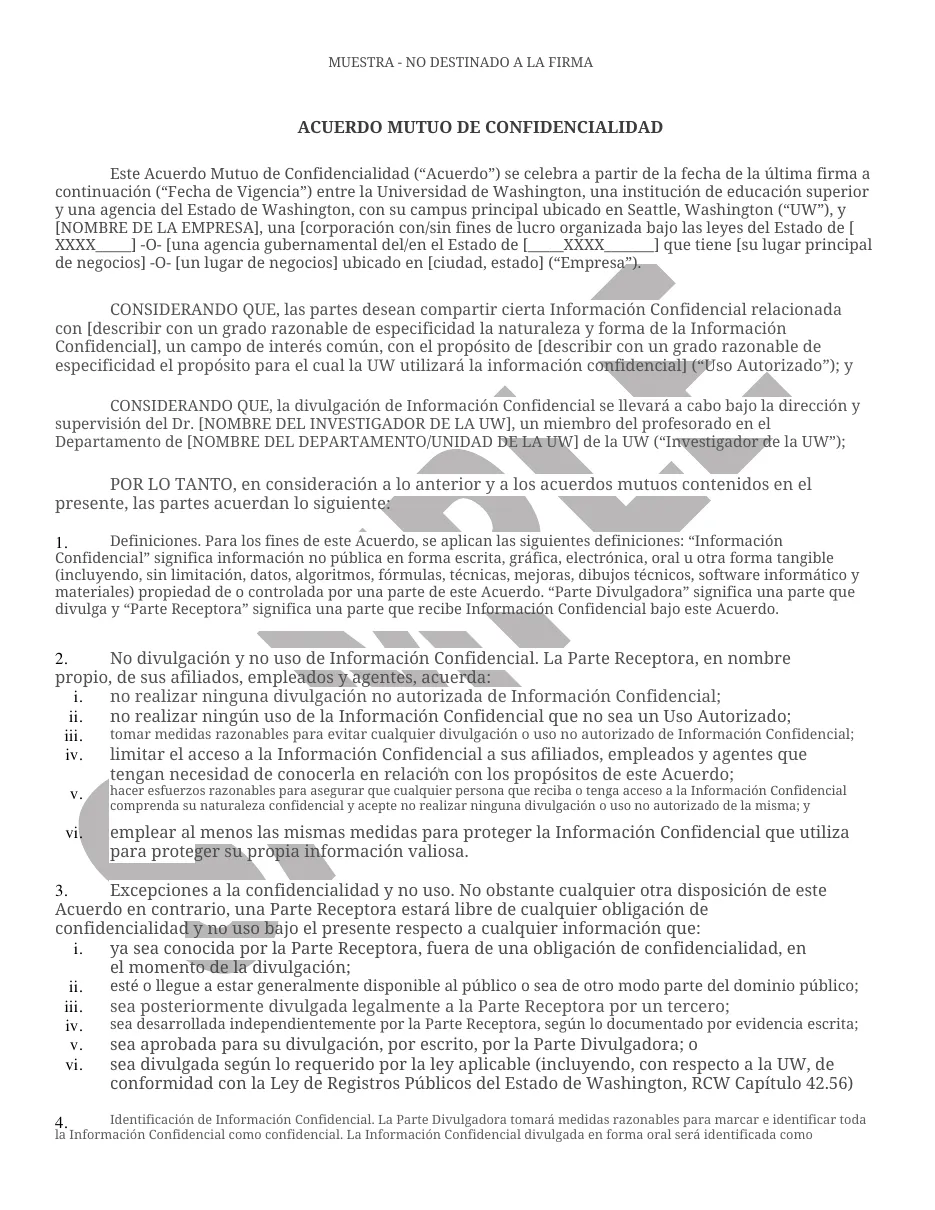

Method
- Documents are public: an arXiv paper, US government publications, a contract template, German, French and Japanese government leaflets, a Chinese government notice, a Spanish journal article and a typewritten archive scan.
- Each page went through exactly the code that runs in your browser on this site, with the same model and settings. No retries were cherry-picked and nothing was retouched.
- Images are rendered at 110 dpi from the original PDF and from the translated PDF.
- Want your own file tested? Translate it here — the first 5 pages each day are free.
Questions
Which PDF translator keeps the layout best?
Judge by real output on documents like yours. This page shows ours on ten kinds of PDF, including multi-column papers, tables, Chinese and Japanese sources and a scan, with the number of blocks that had to shrink or overflow.
Why do some blocks shrink?
Translations are often longer than the source (Chinese or Japanese to English can be 2–3× the characters). To keep the page, the text is wrapped to the original box and the font reduced only as much as needed.